ARI Literature Foundation at the 2026 Leipzig Book Fair and the Opening of the Armenia: A Country of Letters Pavilion

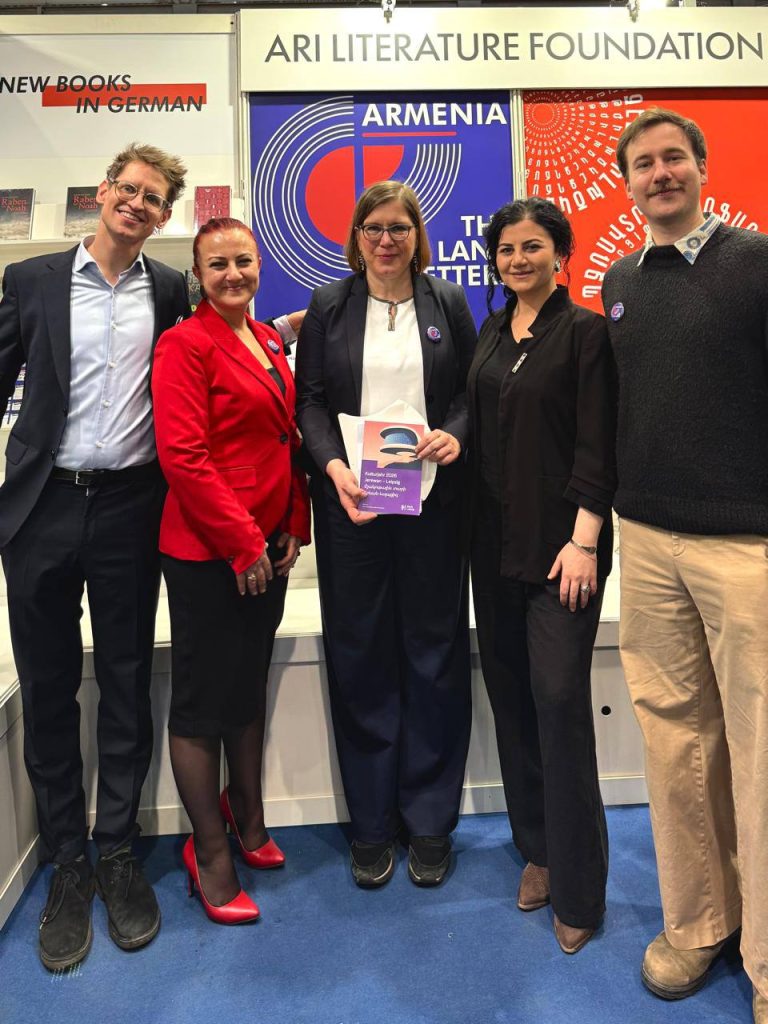
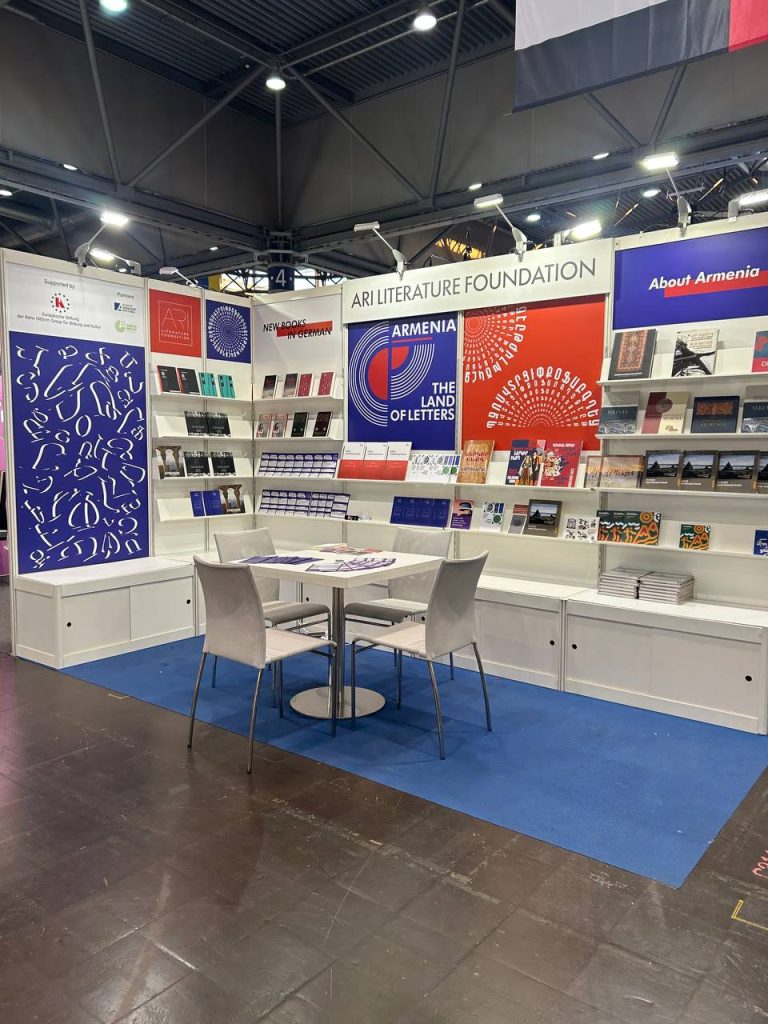
On March 19–22, 2026, the ARI Literature Foundation participated at the Leipzig Book Fair with a pavilion entitled Armenia, the Land of Letters and a vast program of events.

The Leipzig International Book Fair is considered one of the most important literary events in Europe, which this year brought together publishers, authors, and readers from more than 54 countries and registered a record of 313,000 visitors.

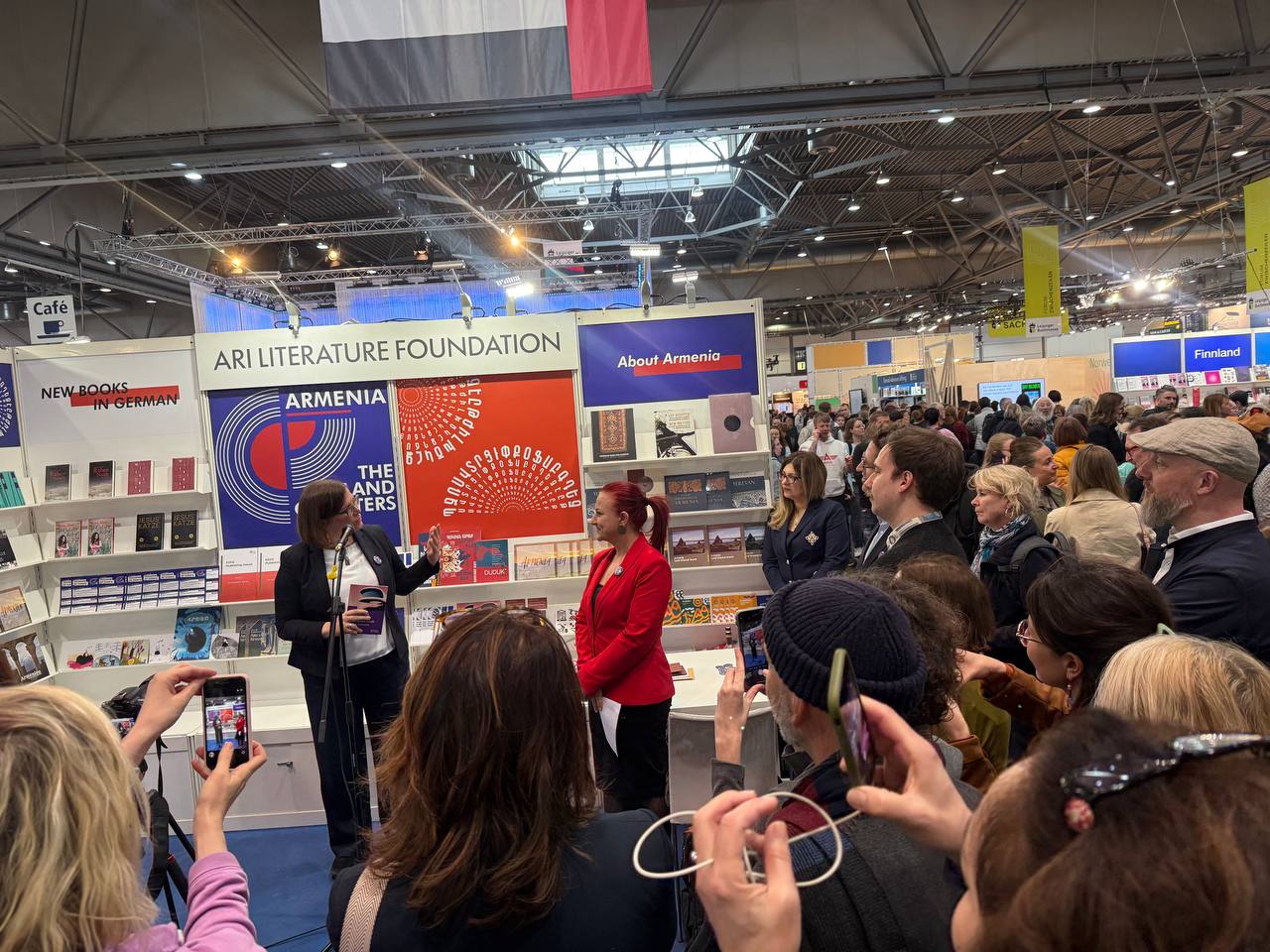
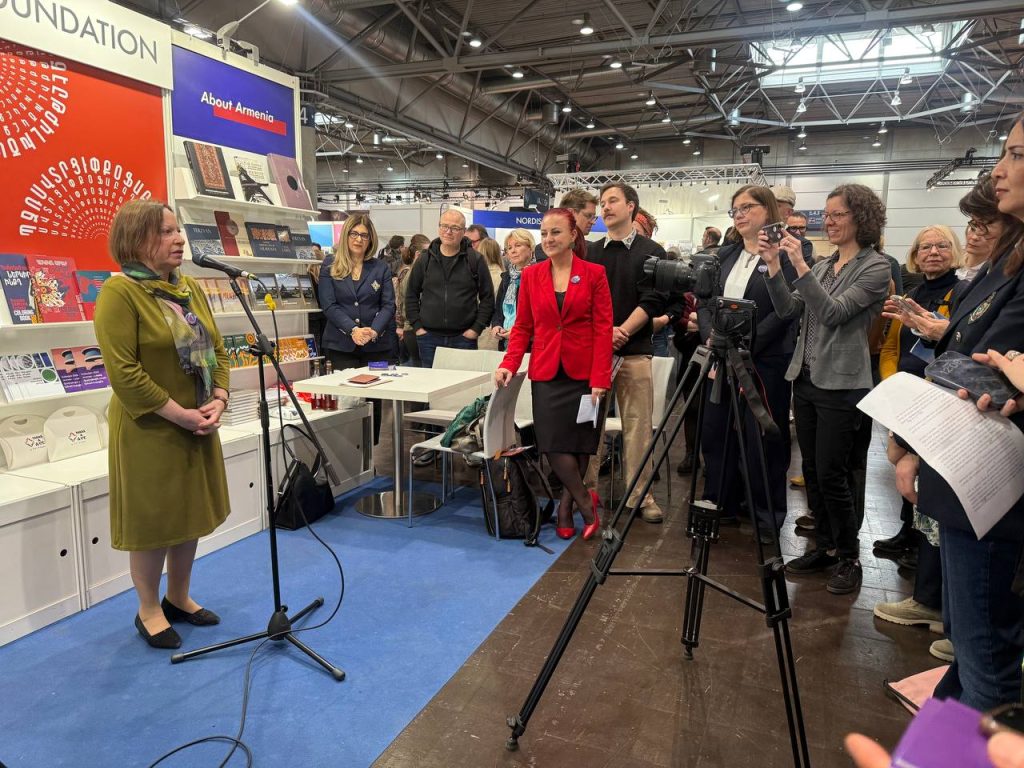
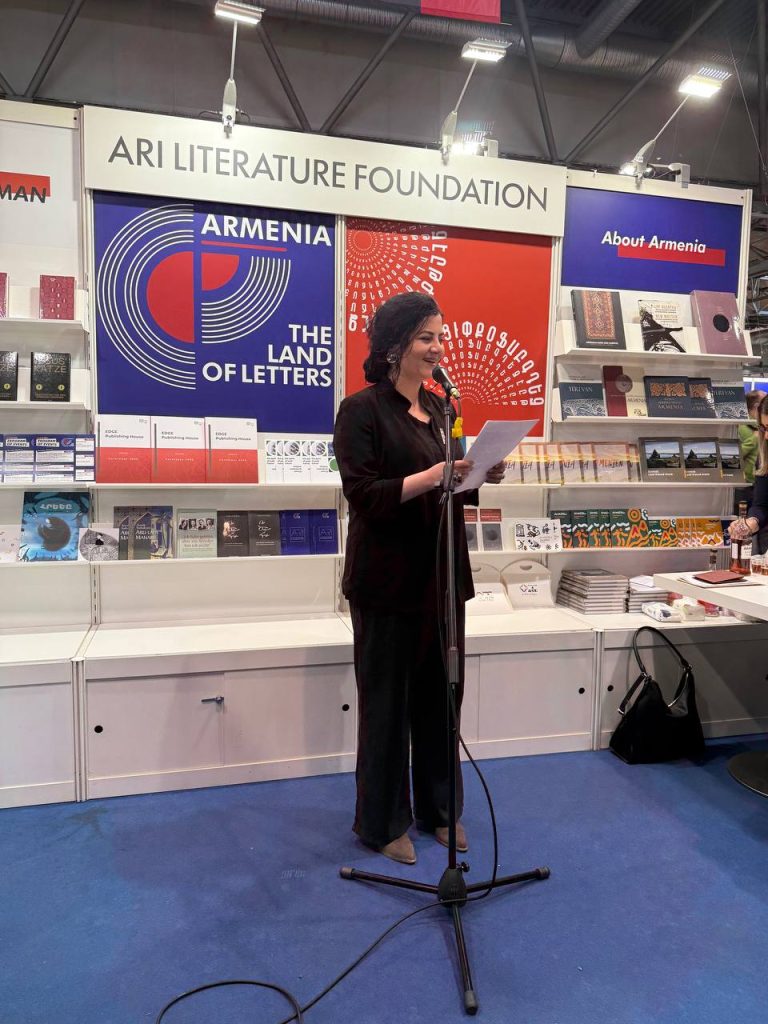
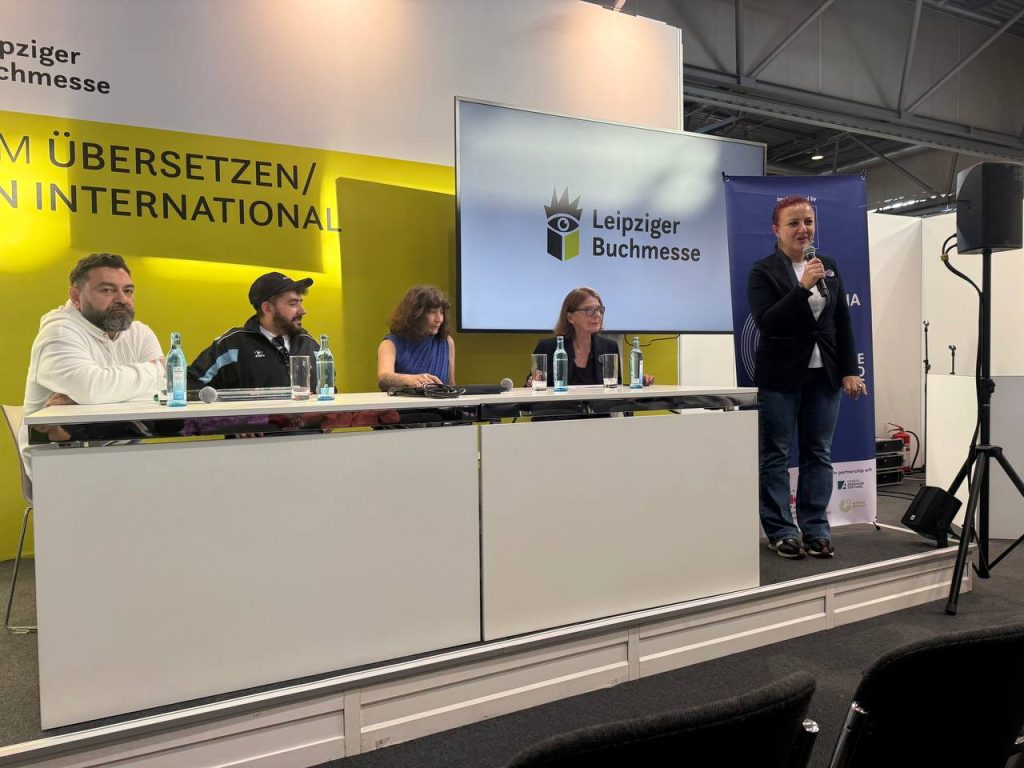
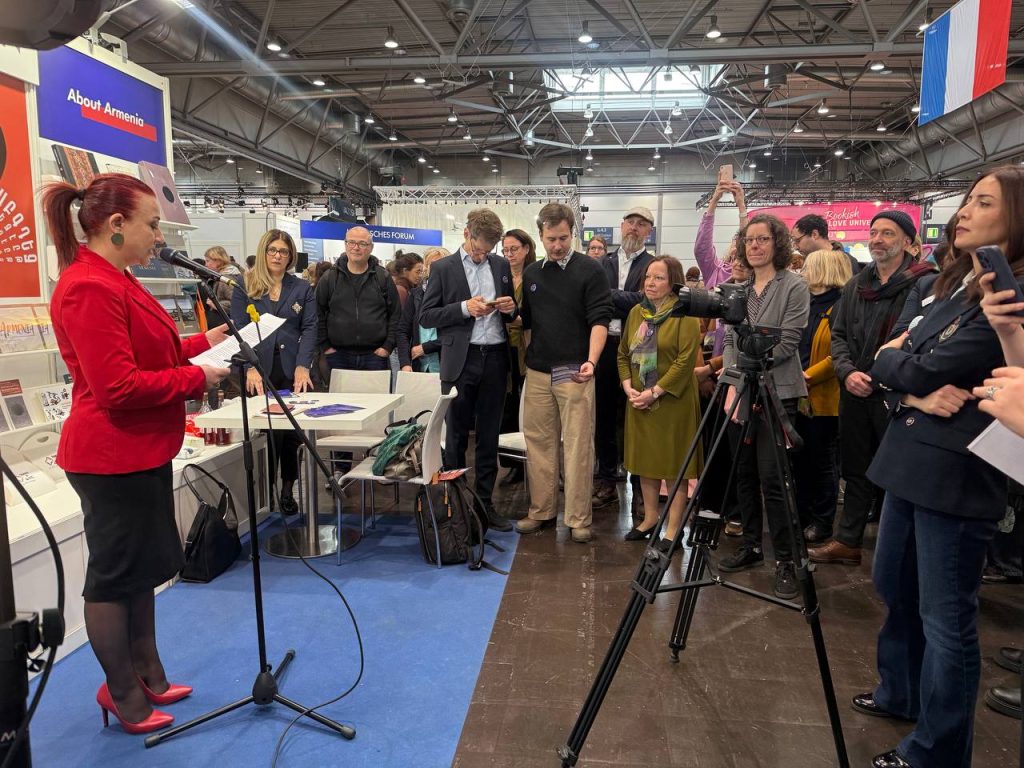
On March 20, the official opening of the ARI Literature Foundation pavilion took place. In her opening speech, the founding director of the foundation, Arevik Ashkharoyan, highlighted the importance of Armenia’s presence at such international platforms, emphasizing that they are a unique opportunity to advance cultural diplomacy, present Armenian literature, promote translations, and create new partnerships. She also thanked all long-term and new partners and supporting organizations for making the presence of the ARI Literature Foundation and the organization of events at the Leipzig Book Fair a reality.

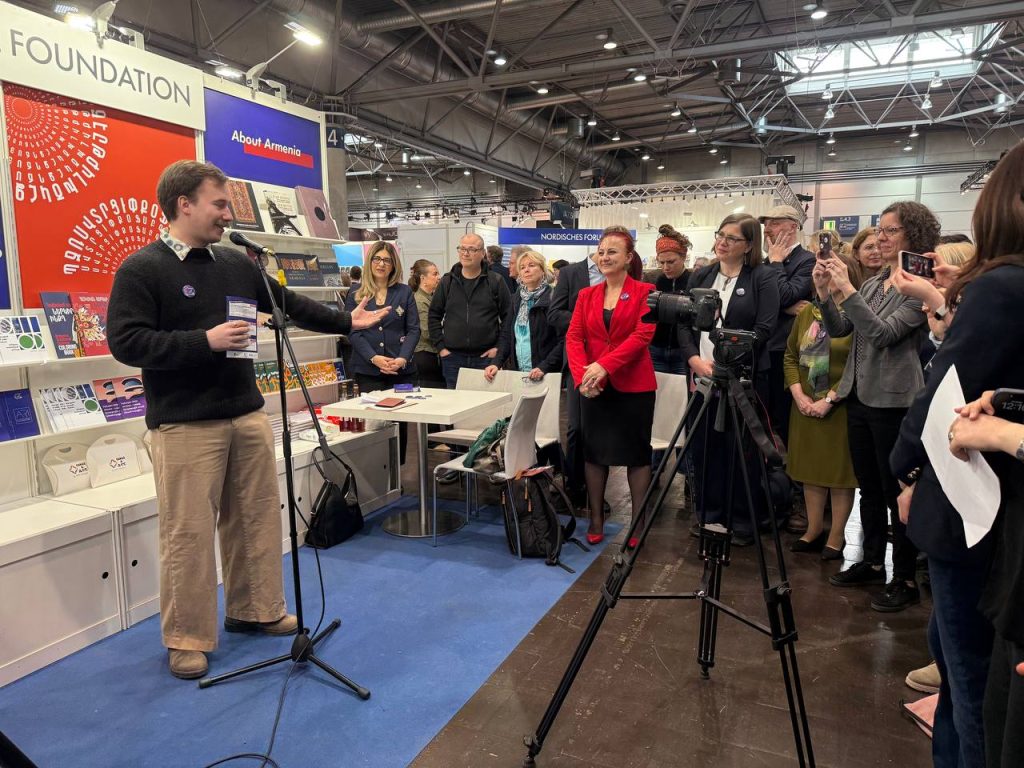
Speeches at the opening were made by Skadi Jannicke, Deputy Mayor of Leipzig for Culture and the Arts, Susanne Kucharski-Huniat, President of the Rahn Dietrich Group Educational and Cultural Foundation (RDG), Florian Binder, Scientific Associate at the Konrad Adenauer Foundation, Jan-Tage Kühling, Director of the Goethe Institute Armenia, as well as poet and prose writer Anush Kocharyan. More than 15 speakers from the Armenian program events were present at the opening, including authors, translators, journalists, scholars from Armenia, Germany and other European countries, as well as representatives of partner organizations and foreign publishers. The speeches were followed by a small reception, creating a warm and representative atmosphere.

It is worth mentioning that Jan-Tage Kühling, Director of the Goethe Institute in Armenia mentioned in his speech that they are especially glad to support the initiative because it is implemented by a civil society organization, as many other projects which are representing Armenian arts and culture scene at the international level. Florian Binder from Konrad Adenauer Foundation also mentioned the importance of supporting the democratic processes in Armenia to ensure the current political path of the country towards European intergation. 

This year’s participation of the ARI Literature Foundation was held under the theme Armenia, the Land of Letters, aiming to present the Armenian literary heritage and contemporary voices on the international stage. The pavilion featured German translations of books by Armenian authors, cultural, historical, as well as touristic books, maps and brochures.

The highlight among publications was the German edition of Mkrtich Armen’s novel Yerevan published by Sebastian Gugolz Publishing House. Translator Suzanna Yeghoyan had the opportunity to present the book both at the pavilion and during the events with her participation.

During the 4 days of the exhibition, the ARI Literature Foundation held 5 events in the formats of panel discussions, as well as public lectures. All events were aimed at promoting international dialogue, involving not only participants of Armenian descent but also representatives of various European countries, creating an opportunity to draw parallels between literatures and presenting Armenian literature as part of the European cultural tradition and discourse.
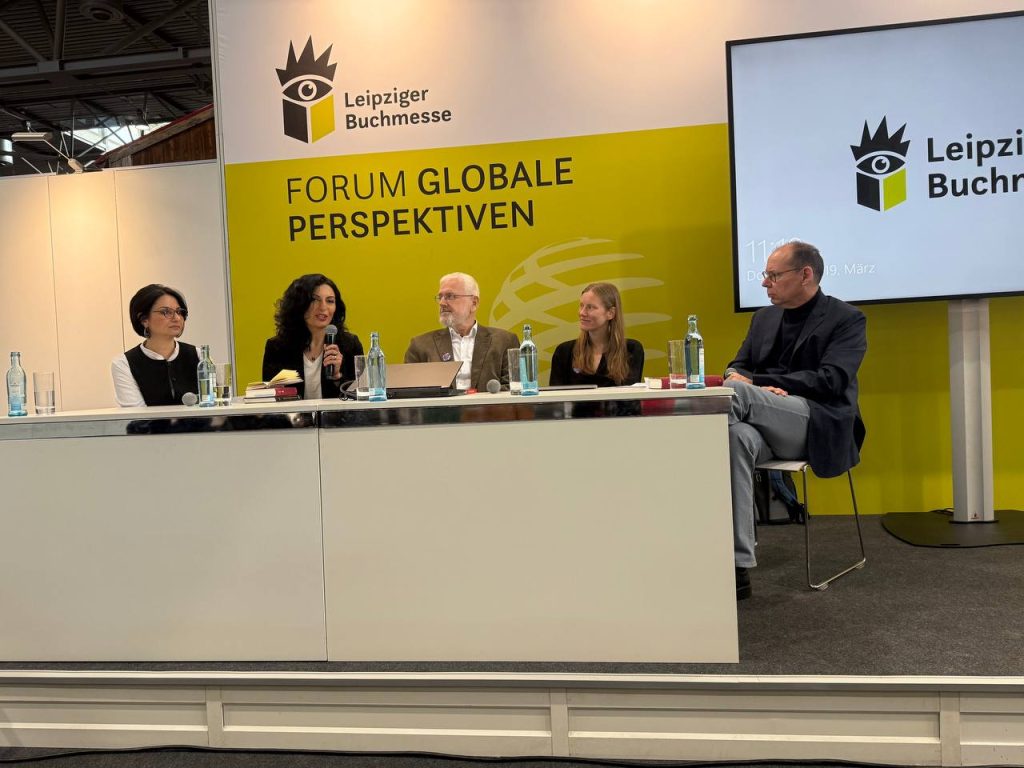
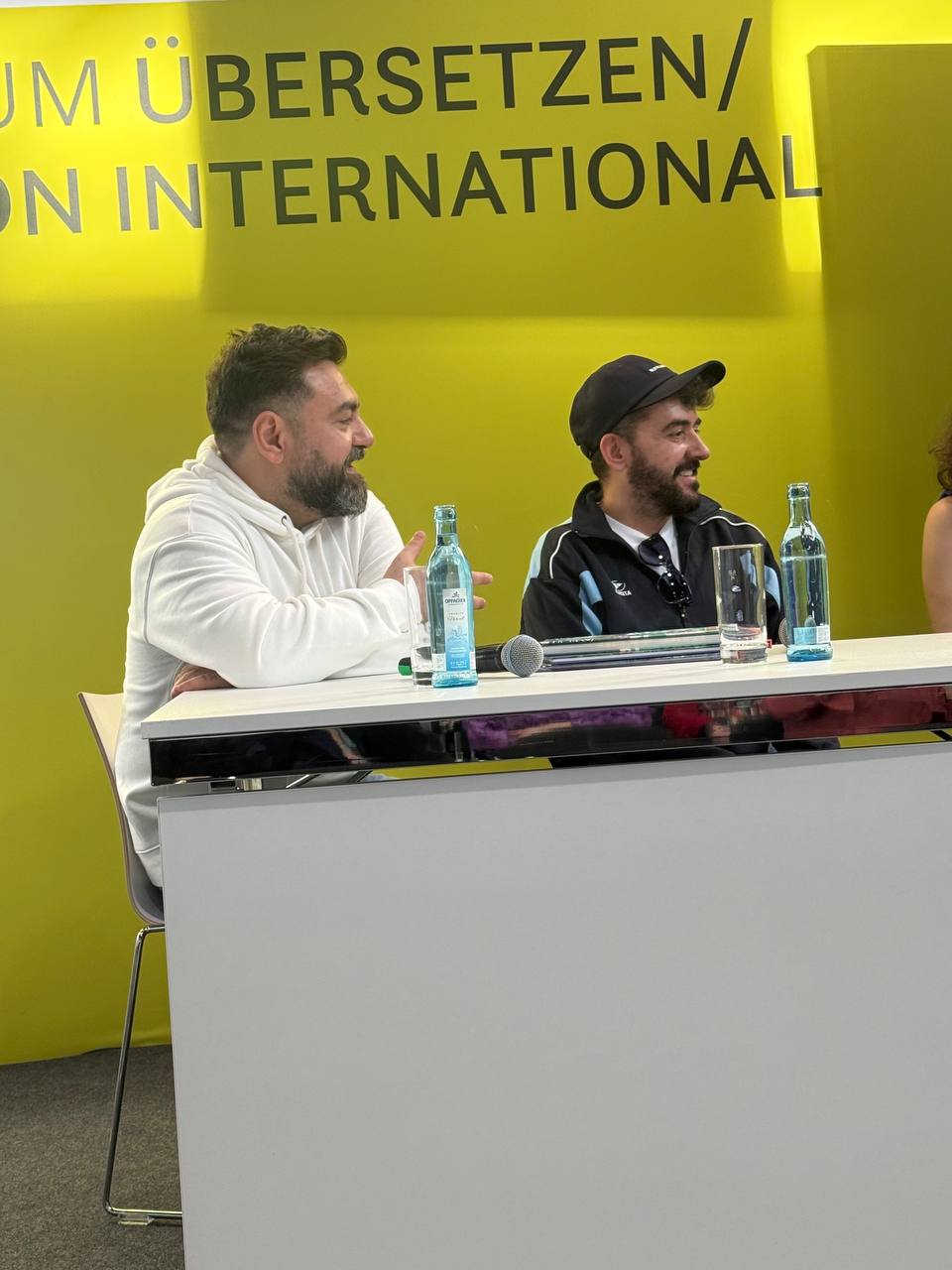
On March 19, the panel discussion Special Envoys: Translating Culture and Politics took place, with the participation of translators Mariam Gurzadyan, Susanna Yeghoyan, Stephan Heymann, and Wibke Zollmann. The discussion was moderated by Jürgen Jakob Becker, Deputy Director of Literarische Colloquium Berlin.

During the discussion, the participants reflected on the role of translation not only as a tool for linguistic transformation, but also as a tool for cultural and political mediation. They spoke about how the translator often acts as a “special envoy”, presenting not only the text but also the historical, social, and political context behind it.

In addition, it was emphasized that translation plays an important role in increasing the visibility of underrepresented languages ​​and literatures, becoming a bridge between different cultures and contributing to literary dialogue.

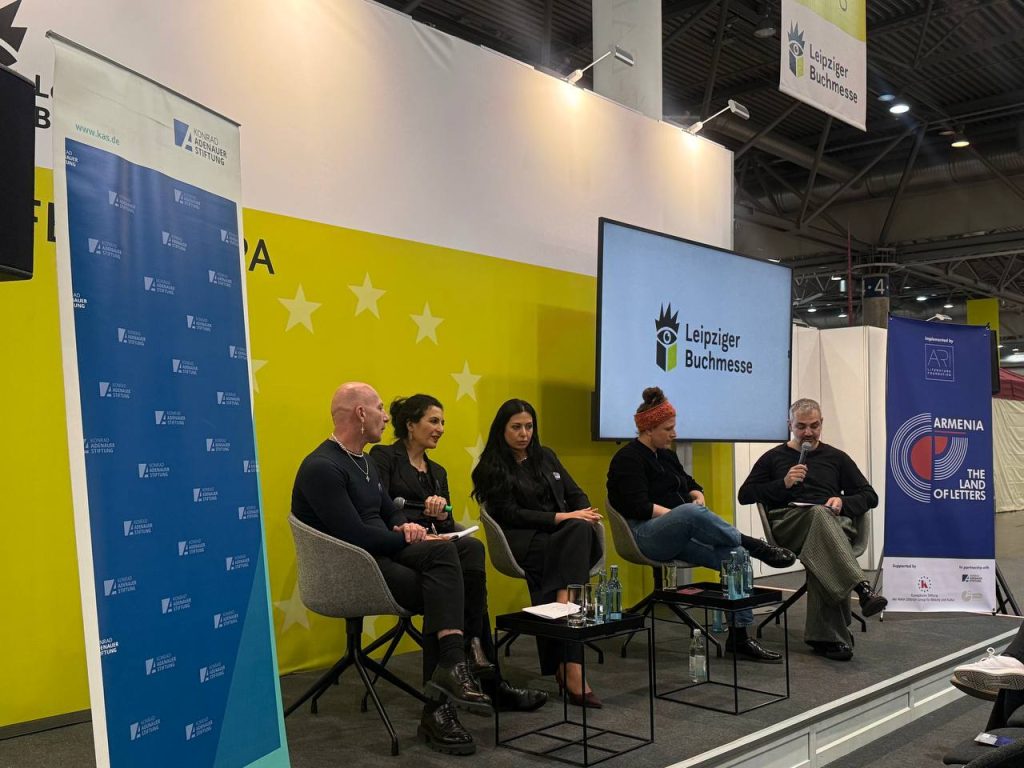
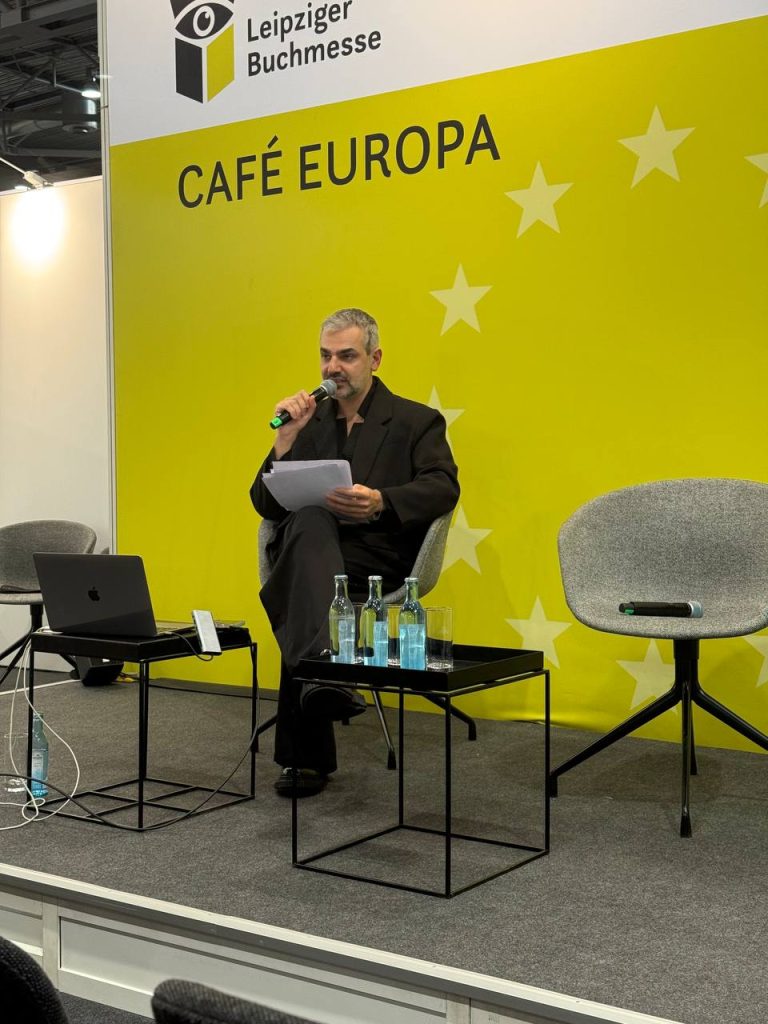
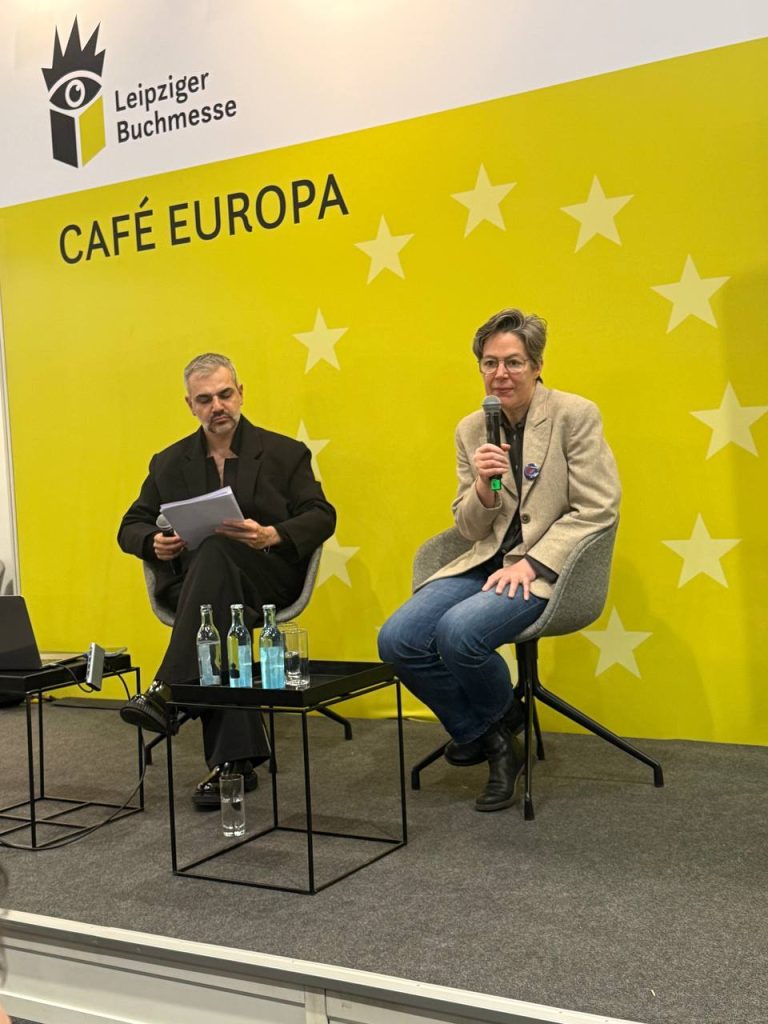
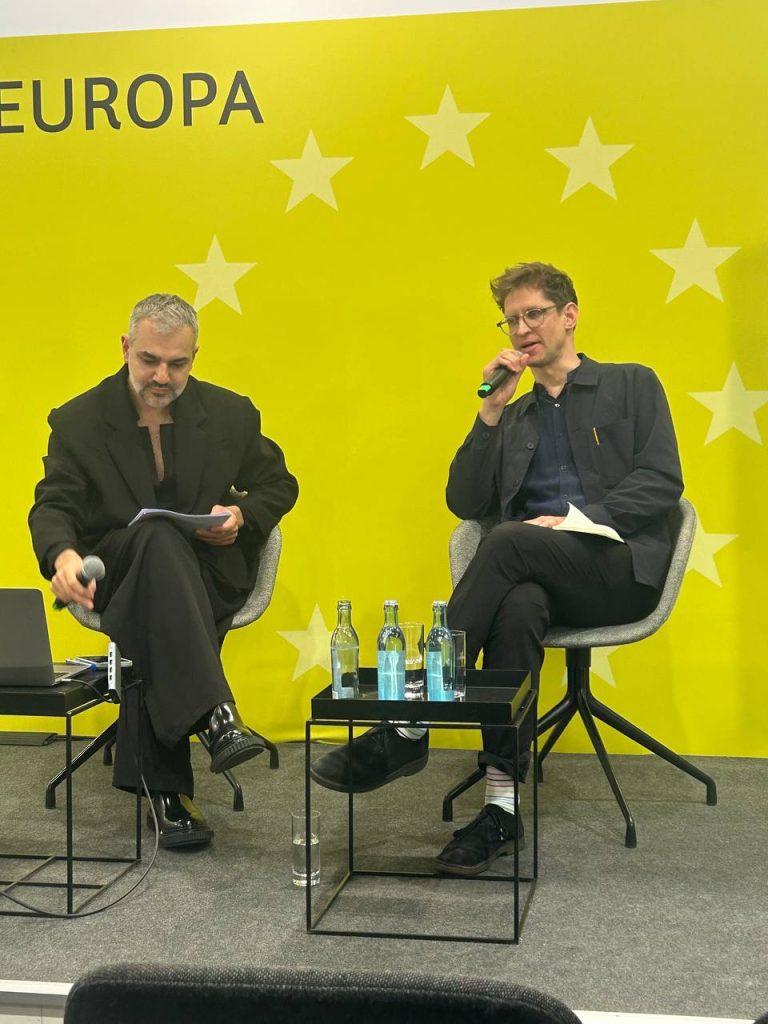
On March 20, the panel discussion Memory, Migration and Belonging – Literary Identity was held with the support of the Konrad Adenauer Foundation, with the participation of Armenian writer Hovhannes Tekgyozyan (France), poet Tatev Chakhyan (Poland), and German writer of Armenian descent Laura Cwiertnia. The discussion was moderated by Berlin-based journalist and political analyst Tigran Petrosyan.

During the discussion, the authors addressed the formation of literary identity in the context of migration and multicultural experience. The participants shared their personal and creative experiences, presenting how writing in different languages ​​and living in a different cultural environment form a new identity, sometimes with dual or multilayered belonging. The question of whether literature can preserve national memory regardless of geographical borders was also discussed.

The question of language choice was also raised during the discussion: Does writing in a foreign language distance the author from his roots, or, on the contrary, create a new platform to make his own story accessible to an international reader? It is noteworthy that Laura Cwiertnia’s novel We Have Different Names on the Street was included this year in the list of school reading program as a work of literary and educational value.

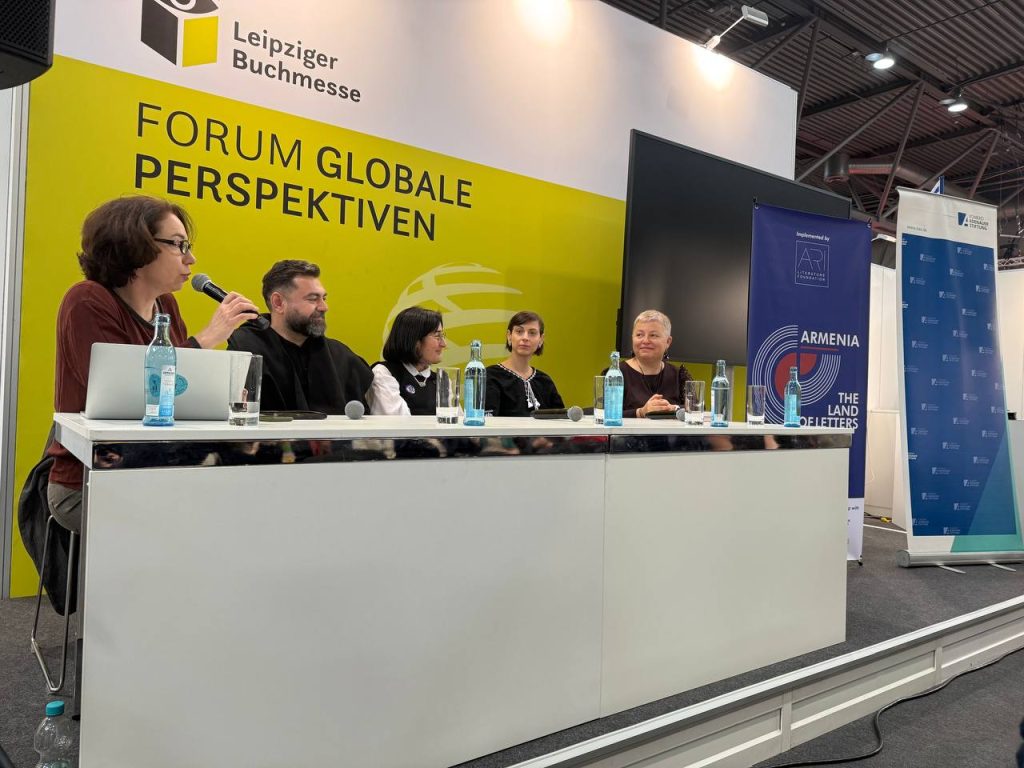
The panel discussion entitled Rethinking Empires, Redefining Identities after the Socialist Era was held on March 21 in cooperation with the Konrad Adenauer Foundation. The participants were writers Armen Ohanyan and Lusine Kharatyan (Armenia), Marie Iljasenko (Czech Republic), and Justine Toms (Bulgaria). The discussion was moderated by Yana Genova (Bulgaria), an independent expert and consultant with over 15 years of experience in the fields of culture, cultural policy, and research, and a member of the Board of Trustees of the ARI Literature Foundation.

During the discussion, the participants reflected on the processes of reinterpretation of identity in the post-Soviet space, especially under the influence of the legacy of former empires. They spoke about how the Soviet past and the political, cultural, and linguistic systems stemming from it continue to influence contemporary literature.

Particular attention was paid to the influence of Soviet censorship and ideology on the formation of literature. It was noted that during the Soviet period, literature was often under strict control, as a result of which authors were forced to either adapt to the ruling narratives or create “coded” texts in order to convey the real message.

In this context, Yeghishe Charents’ work Land of Nairi was also mentioned as a symbolic example of how state pressure could silence or distort the literary voice.

During the discussion, the idea that the “end of empires” does not mean the end of their influence was also emphasized: they continue to live on in culture, thought, and literature, requiring continuous reinterpretation.

Tigran Petrosyan was the main speaker of the public lecture Armenian-German Ties -History, Culture, Politics, and Literature organized with the support of the Goethe Institute in Armenia. Also speaking were Gabriel Goldfus, Director of the International Relations Office of the City of Leipzig; writer, art researcher, curator, editor Ani Menuan; Dr.-Professor Elke Hartmann of the Institute for Ottoman and Turkish Studies in Berlin; and Jan-Tage Kühling, Director of the Goethe-Institut in Armenia.

During the event, the speakers touched upon the historical development of Armenian-German relations, starting from early cultural and educational exchanges to modern forms of cooperation. It was discussed how the relations formed between the two countries have deepened and expanded over time, encompassing the spheres of culture, science, education, and politics.

In his speech, the main speaker Tigran Petrosyan presented the cultural, political, and social development of Armenian-German relations. The other speakers touched upon cultural interactions and literary ties in their speeches, emphasizing the importance of translation, joint projects, and academic cooperation.

On March 22, the panel discussion Illustrating the Important – Books for Children took place, the participants of which were writer Armen Ohanyan and writers-illustrators Harutyun Tumaghyan, Lilit Altunyan. The participation of the latter at the event was made possible thanks to the support of the Kunst Foundation. The discussion was moderated by writer and translator Barbara Lehnerer.

During the discussion, the participants touched upon the important role of children’s literature and illustration as a tool that helps to talk about complex and sensitive topics with children. It was noted that picture books and stories often become a bridge between parents and children, allowing them to address issues such as war, loss, and fear without burdening children, but at the same time not avoiding the truth.

During the discussion, the context of such a complex and war-torn reality as Armenia was particularly emphasized, where such books become not only educational, but also psychological support, helping children understand their experiences and formulate their feelings.