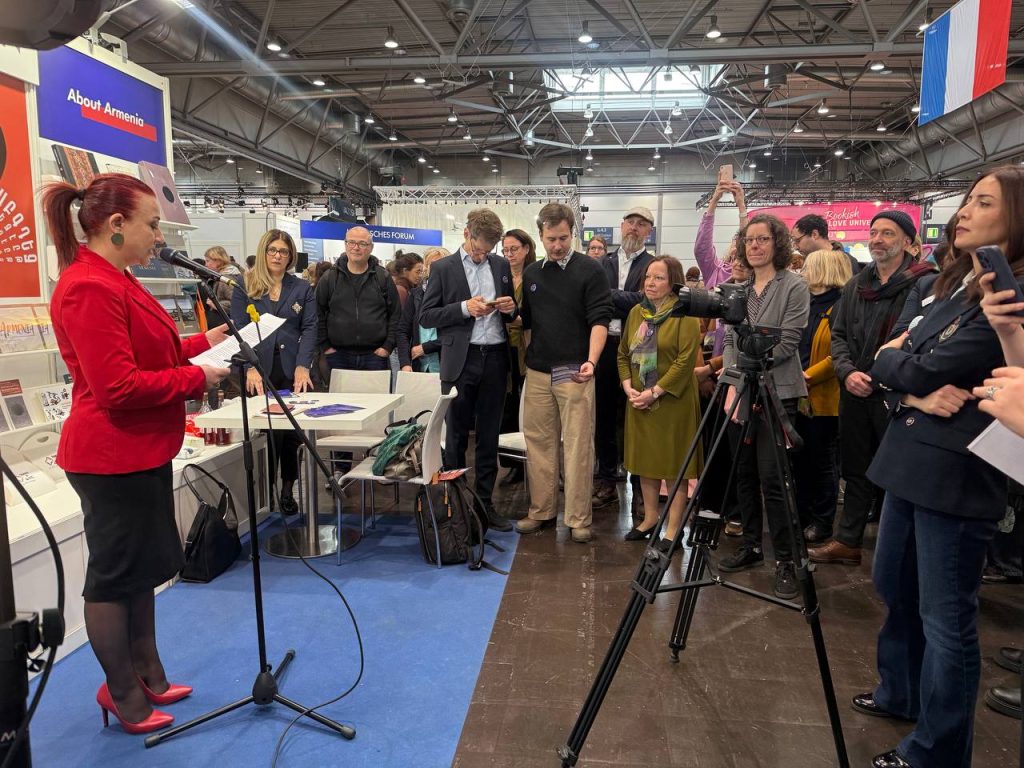
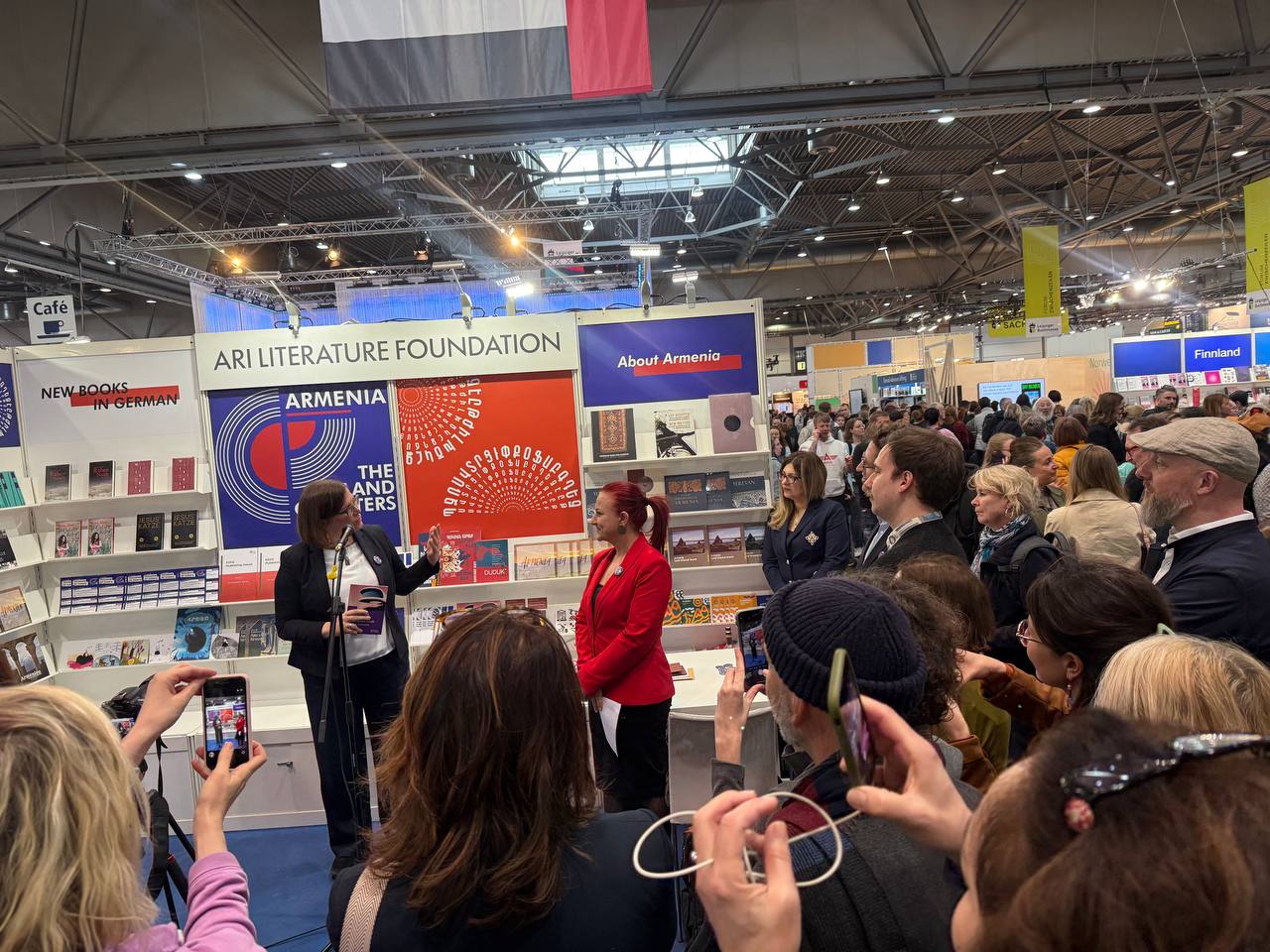
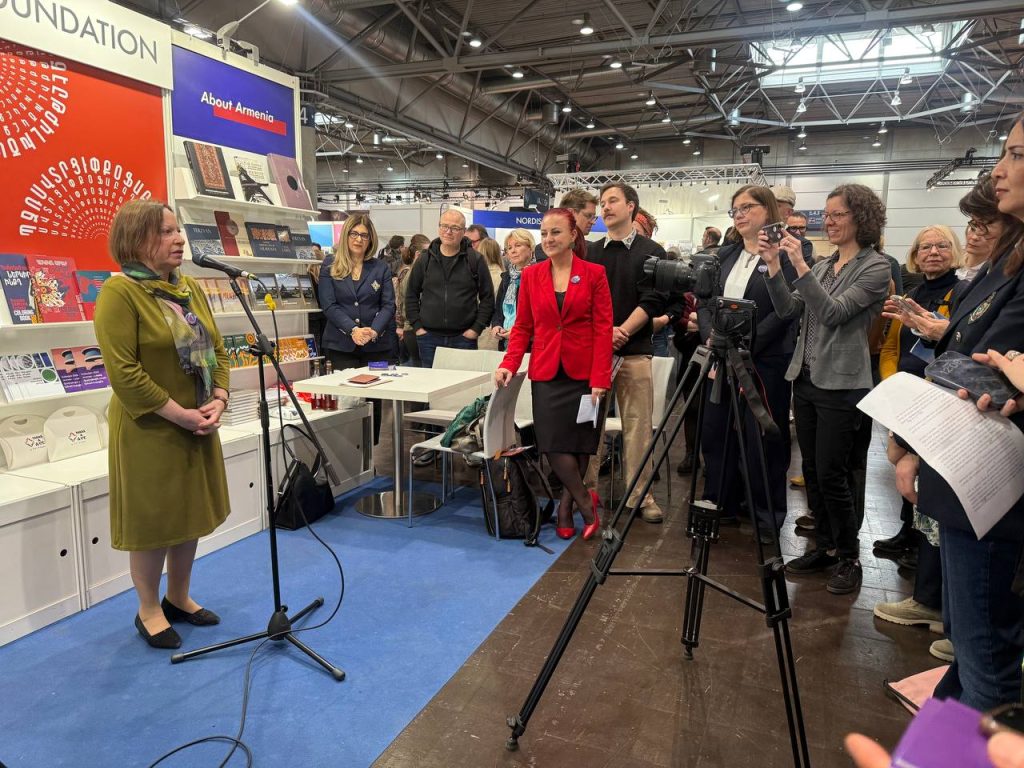
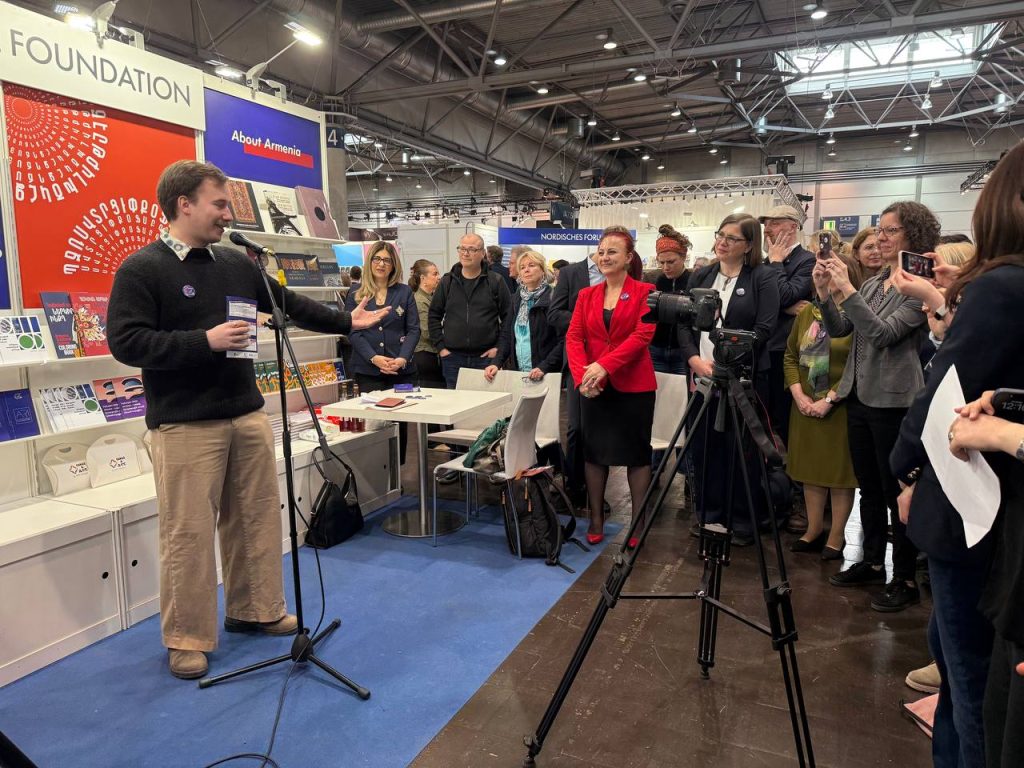
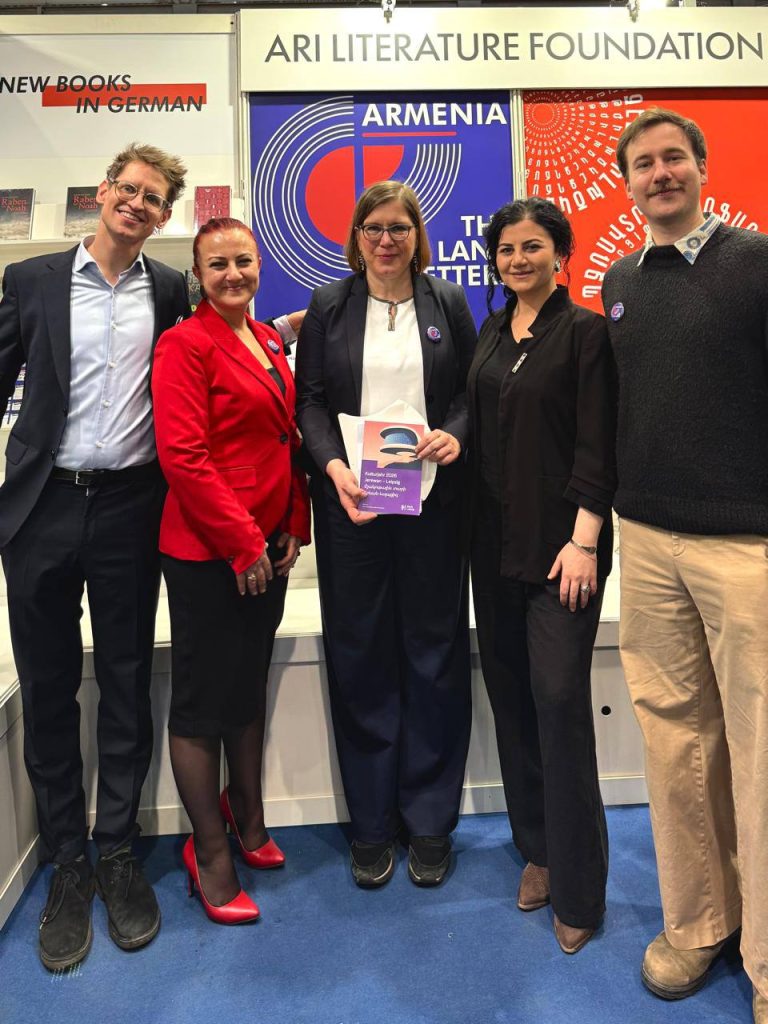
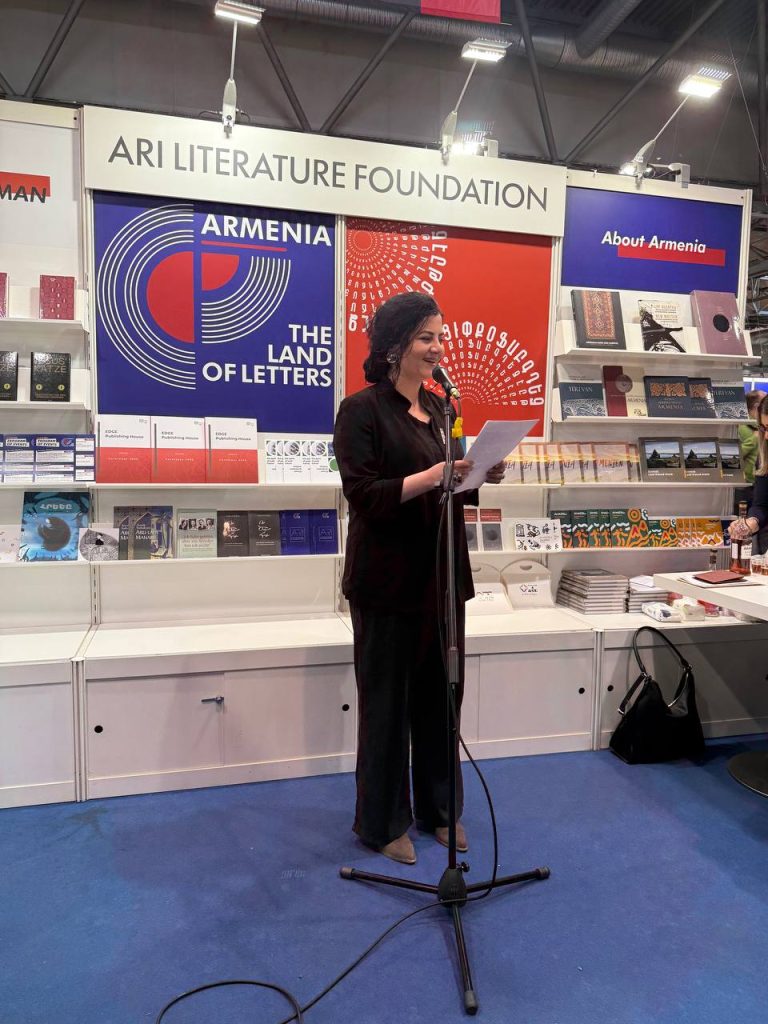
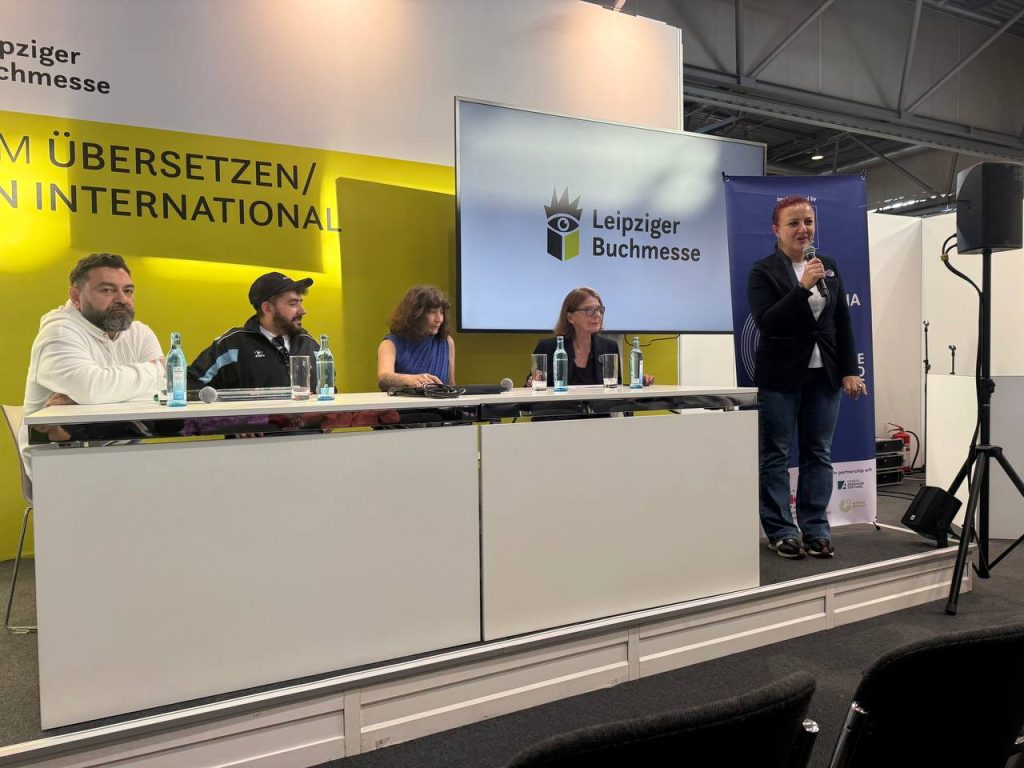
Speeches at the opening were made by Skadi Jannicke, Deputy Mayor of Leipzig for Culture and the Arts, Susanne Kucharski-Huniat, President of the Rahn Dietrich Group Educational and Cultural Foundation (RDG), Florian Binder, Scientific Associate at the Konrad Adenauer Foundation, Jan-Tage Kühling, Director of the Goethe Institute Armenia, as well as poet and prose writer Anush Kocharyan. More than 15 speakers from the Armenian program events were present at the opening, including authors, translators, journalists, scholars from Armenia, Germany and other European countries, as well as representatives of partner organizations and foreign publishers. The speeches were followed by a small reception, creating a warm and representative atmosphere.
It is worth mentioning that Jan-Tage Kühling, Director of the Goethe Institute in Armenia mentioned in his speech that they are especially glad to support the initiative because it is implemented by a civil society organization, as many other projects which are representing Armenian arts and culture scene at the international level. Florian Binder from Konrad Adenauer Foundation also mentioned the importance of supporting the democratic processes in Armenia to ensure the current political path of the country towards European intergation.
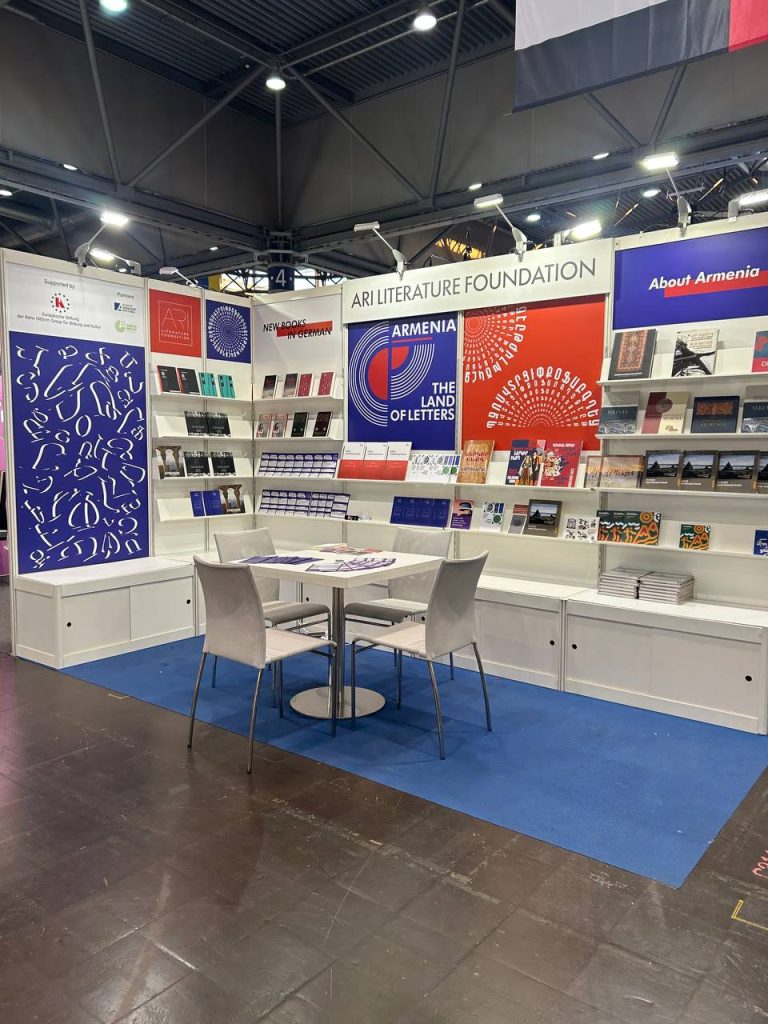
This year’s participation of the ARI Literature Foundation was held under the theme Armenia, the Land of Letters, aiming to present the Armenian literary heritage and contemporary voices on the international stage. The pavilion featured German translations of books by Armenian authors, cultural, historical, as well as touristic books, maps and brochures.
The highlight among publications was the German edition of Mkrtich Armen’s novel Yerevan published by Sebastian Gugolz Publishing House. Translator Suzanna Yeghoyan had the opportunity to present the book both at the pavilion and during the events with her participation.
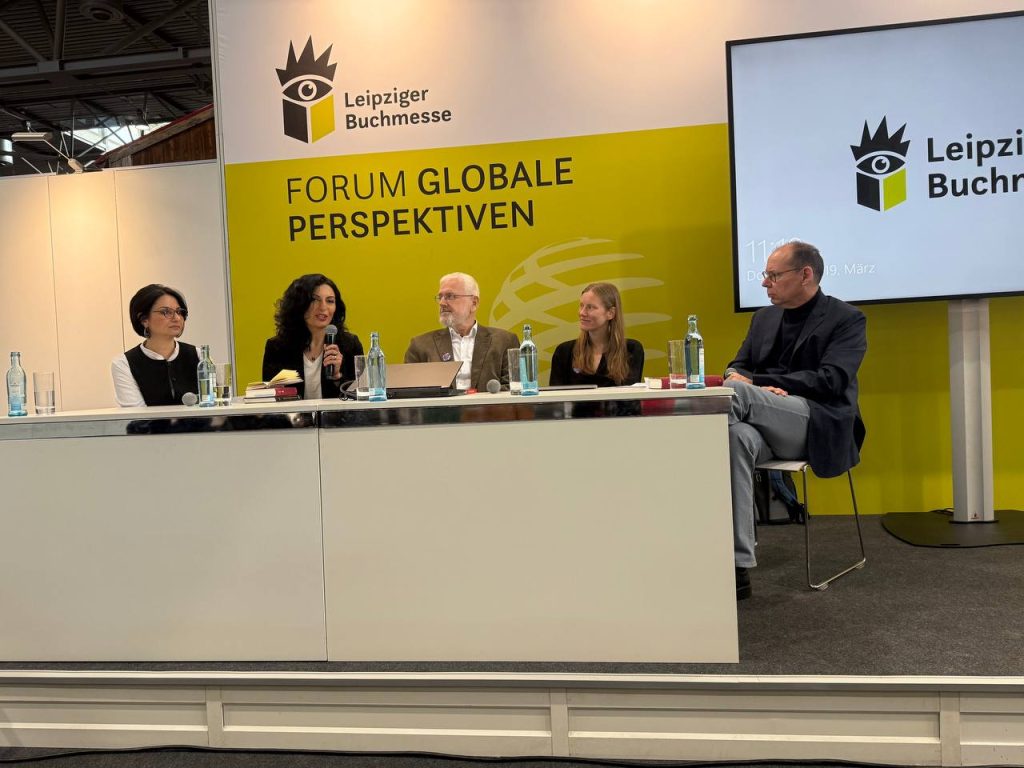
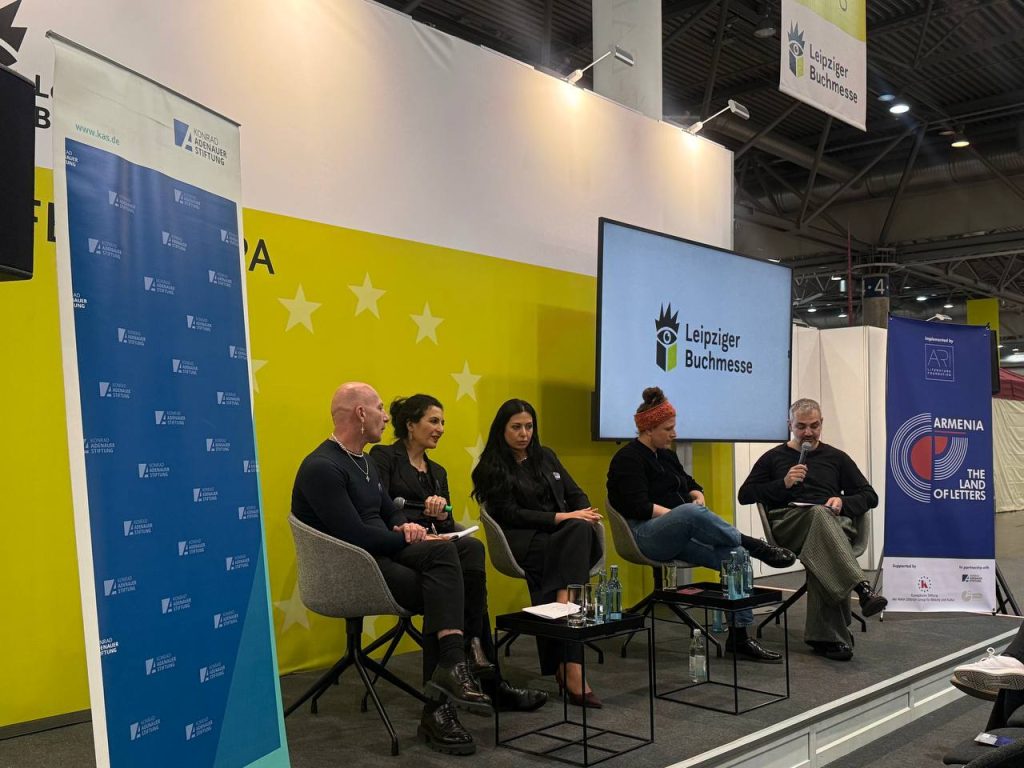
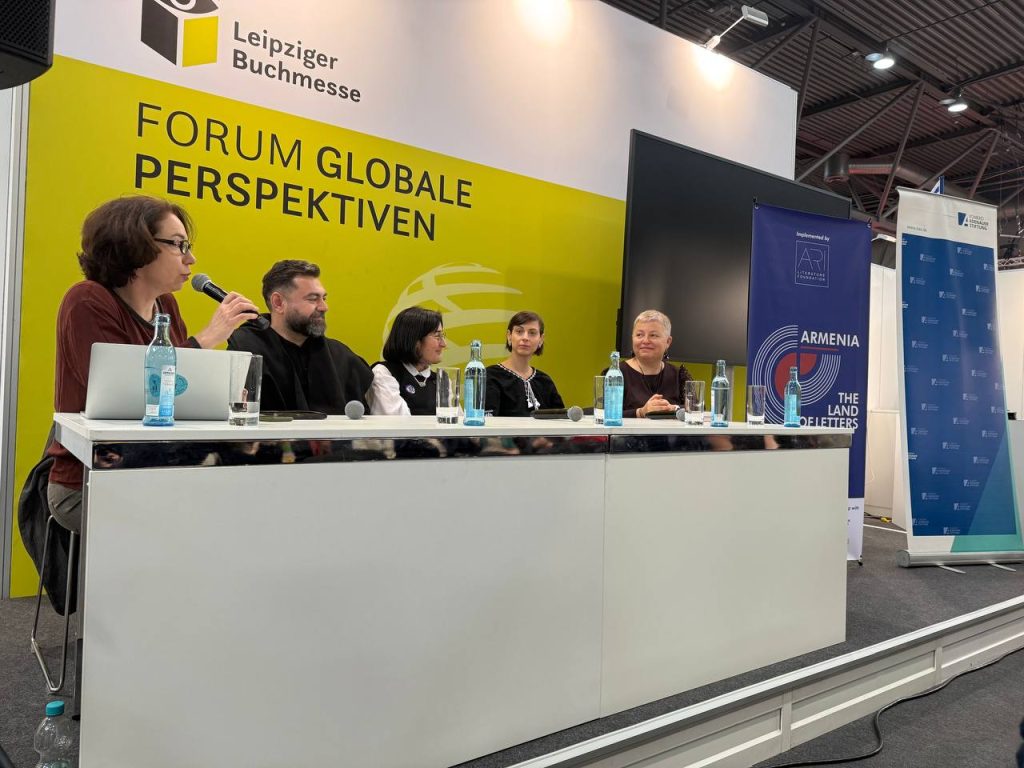
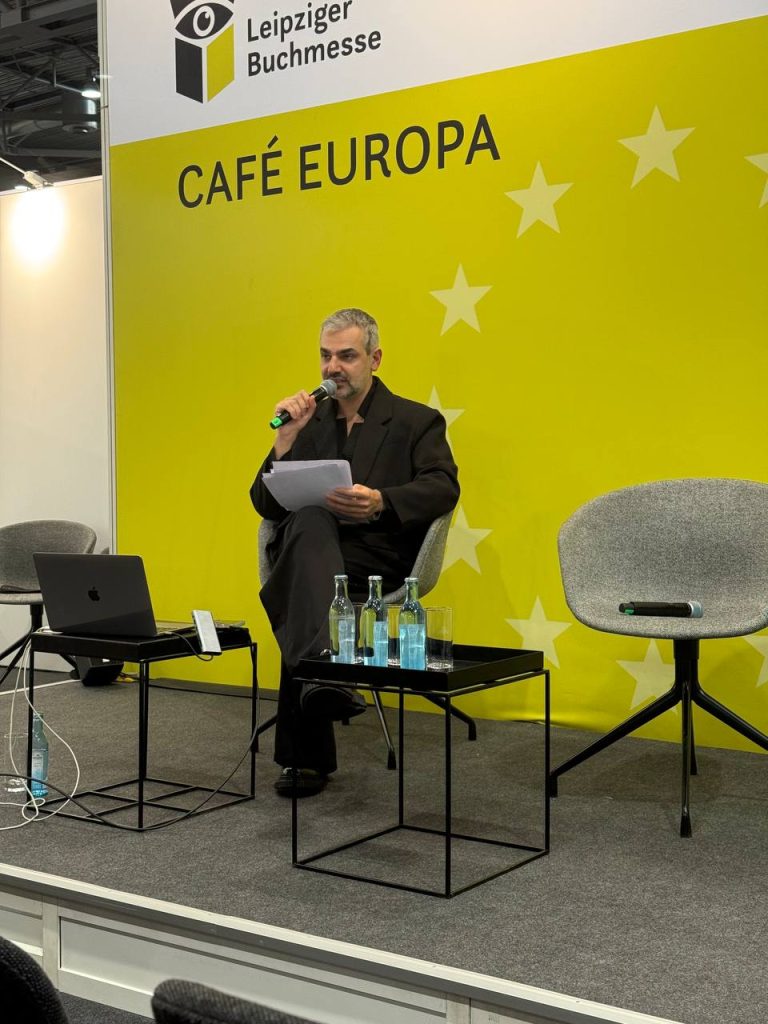
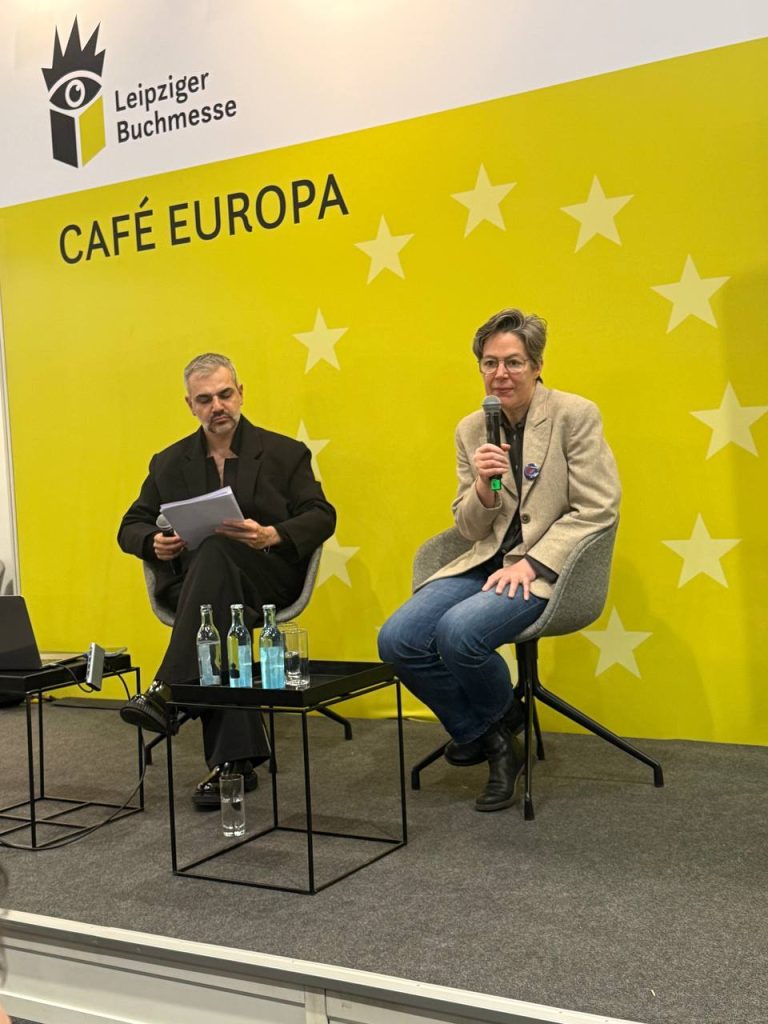
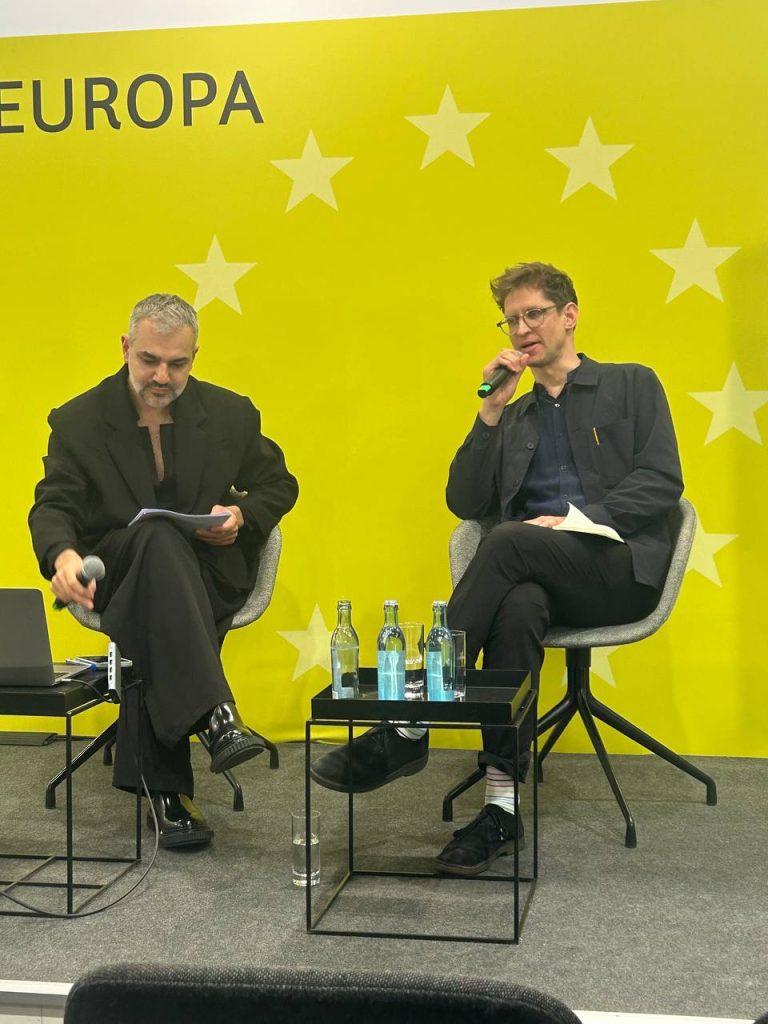
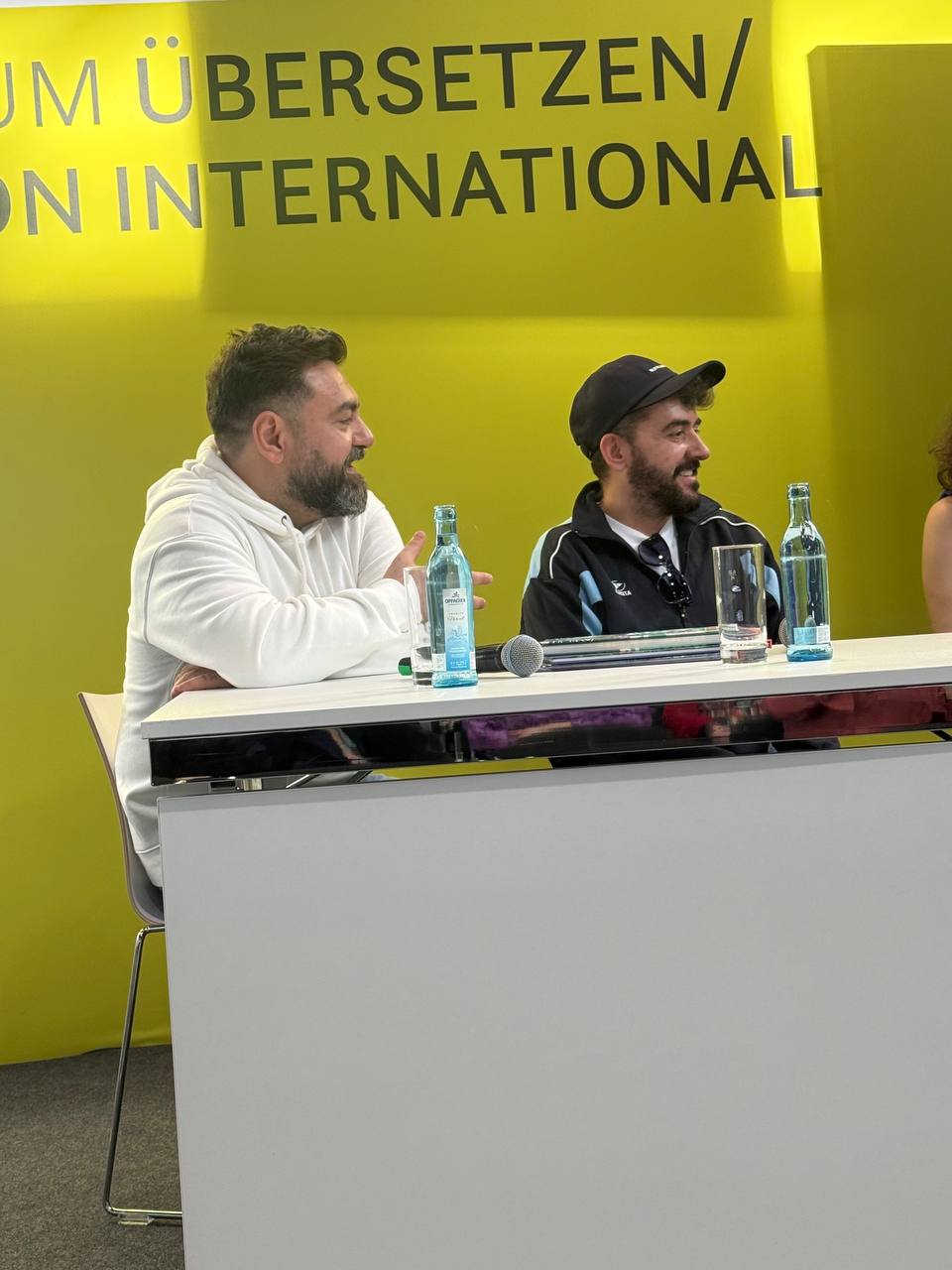
During the 4 days of the exhibition, the ARI Literature Foundation held 5 events in the formats of panel discussions, as well as public lectures. All events were aimed at promoting international dialogue, involving not only participants of Armenian descent but also representatives of various European countries, creating an opportunity to draw parallels between literatures and presenting Armenian literature as part of the European cultural tradition and discourse.